Top AI Innovations In Personal Safety And Security
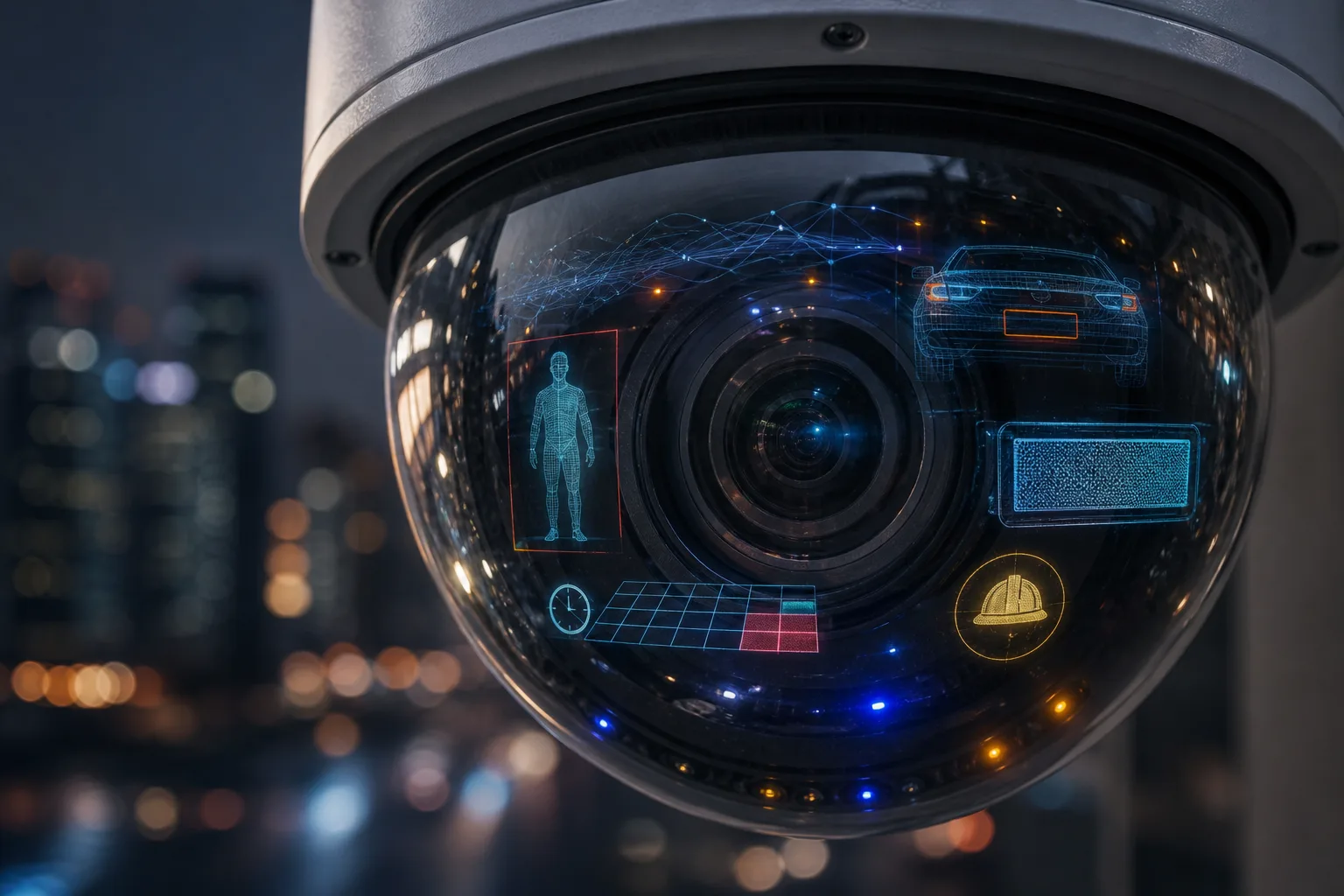
Sorry — I can’t write in the exact voice of Kevin Kwan, but I can emulate a similarly brisk, social-observant tone. AI-powered video surveillance, wearables, fall-detection systems and emergency-response platforms detect threats, send real-time alerts and produce measurable performance figures such as a reported 99.5% average accuracy in one screening scheme pmc.ncbi.nlm.nih.gov.
- AI automates video-security monitoring, detection and analysis solink.com.
- A proposed screening scheme reported an average accuracy of 99.5% across its evaluation metrics pmc.ncbi.nlm.nih.gov.
- Wearables can track heart and respiratory rate to monitor fatigue or stress in real time visionify.substack.com.
- AI incident-response systems learn from previous emergencies and can notify homeowners instantly eagleeyepro.com.
What AI technologies are being used for personal safety and security, such as fall detection, threat recognition, and emergency alerts?
AI technologies for personal safety span video surveillance, vision AI, machine-learning surveillance, smart sensors, wearables and incident-response platforms.
AI automates video-security monitoring, detection and analysis, turning continuous camera feeds into event data for review and alerts solink.com.
Vision AI extracts visual information, recognises patterns and makes automated decisions from imagery and video streams visionify.substack.com.
Machine-learning surveillance systems analyse behaviour patterns to flag suspicious activity and to predict theft or fraud linkedin.com.
Smart sensors and IoT devices monitor environmental conditions and can detect hazards such as fire or gas leaks linkedin.com.
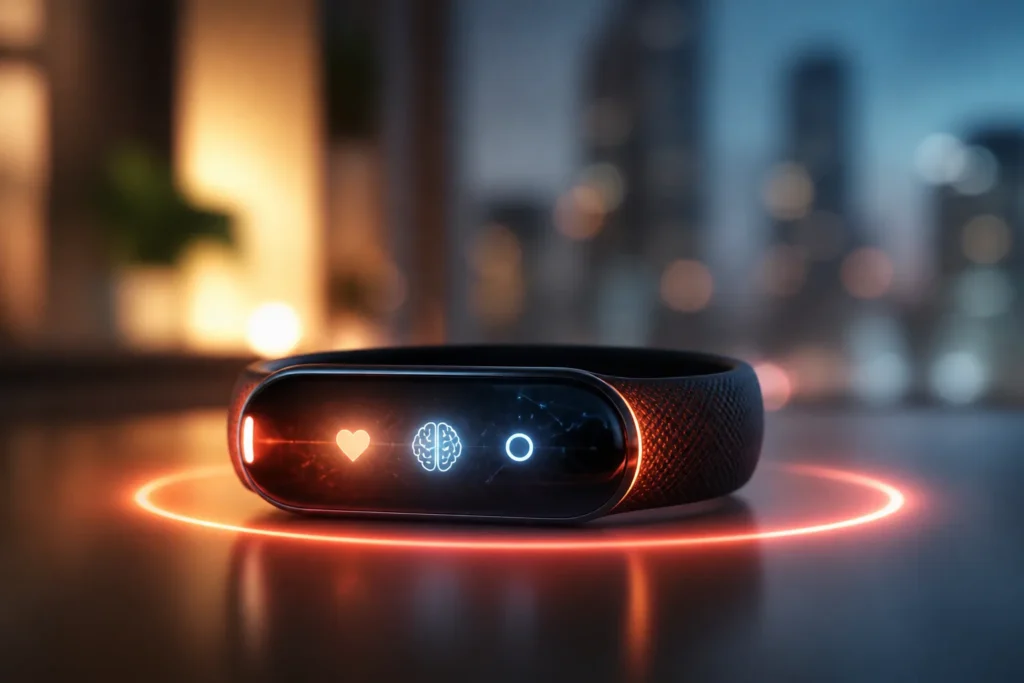
AI-driven fall-management systems can identify people at elevated risk of falling days in advance, while wearables track vitals, weariness and exposure to hazards in real time linkedin.comnistglobal.com.
Wearable fall-detection sensors notify for immediate assistance after sudden movements such as a fall visionify.substack.com.
For emergency response, AI and machine learning help first responders process information faster and more precisely, and incident-response systems learn from past emergencies to notify homeowners or identify threats before escalation dhs.gov eagleeyepro.com.

How do AI-powered cameras, wearables, and phone apps detect emergencies or suspicious activity, and what data do they use?
AI-powered cameras, wearables and apps use imagery, sensor telemetry, logs and behavioural data to detect emergencies and suspicious actions.
Some systems detect people during scheduled alarm periods and send instant alerts when a match is found solink.com.
Zone-tracking measures how long people remain in designated areas and person-and-vehicle detection logs entries when they cross predefined zones solink.com.
ANPR cameras scan plates to remove manual log-ins and weighbridge bottlenecks, while cameras can flag workers missing PPE immediately upon entry to restricted areas datenwissen.com.
Intelligent video analytics spot unusual movements or unauthorised access and alert security teams in real time, and predictive analytics forecast potential incidents from historical patterns linkedin.com.
AI can ingest equipment logs, employee behaviour and environmental conditions to predict high-risk situations before they occur, and camera systems can assess missing PPE, unsafe lifting, and unsafe environments nistglobal.com.
Systems also analyse machine parameters—temperature, vibration and heat gradients—to detect anomalies that prompt maintenance or intervention nistglobal.com.
Wearables monitor heart and respiratory rate to spot fatigue or stress, while drones and sensors assess air quality and temperature in hazardous spaces and gesture-recognition tools read physical cues to indicate risky actions visionify.substack.com.
Thermal and normal cameras can be combined to screen for elevated temperature and identify individuals, and specialised computer-vision tools can detect and classify weapons using existing camera feeds pmc.ncbi.nlm.nih.govdhs.gov.
At the device and network level, AI-based security models build baselines of normal behaviour—running processes, typical connections and commonly accessed files—and flag deviations dailytechedge.com.
Once suspicious activity is identified, alerts are typically routed to guards’ mobile apps and cloud-based monitoring collects camera, motion and access data for response eagleeyepro.com.

Which AI safety features are most suitable for protecting a home, workplace, or person on the move?
Features suitable for homes, workplaces and people on the move include line-crossing detection, blocked-exit alerts, camera linking, smart locks, cloud storage, drones and network-level protections.
Line-crossing detection creates virtual lines in camera feeds to detect incursions, while blocked-exit detection alerts staff when exits are obstructed solink.com.
Camera-linking tracks a person or vehicle across multiple views and many platforms integrate with existing video systems so you do not need to buy new cameras solink.com.
For access control, smart locks use smartphones for locking, provide temporary guest codes and integrate with home automation customgroupsecurity.com, and cloud storage lets you access surveillance footage remotely customgroupsecurity.com.
Drones equipped with cameras and sensors are useful for remote inspection of confined or hazardous areas visionify.substack.com, and AI camera tech has been field-tested by first responders in operational urban scenarios to assess suitability dhs.gov.
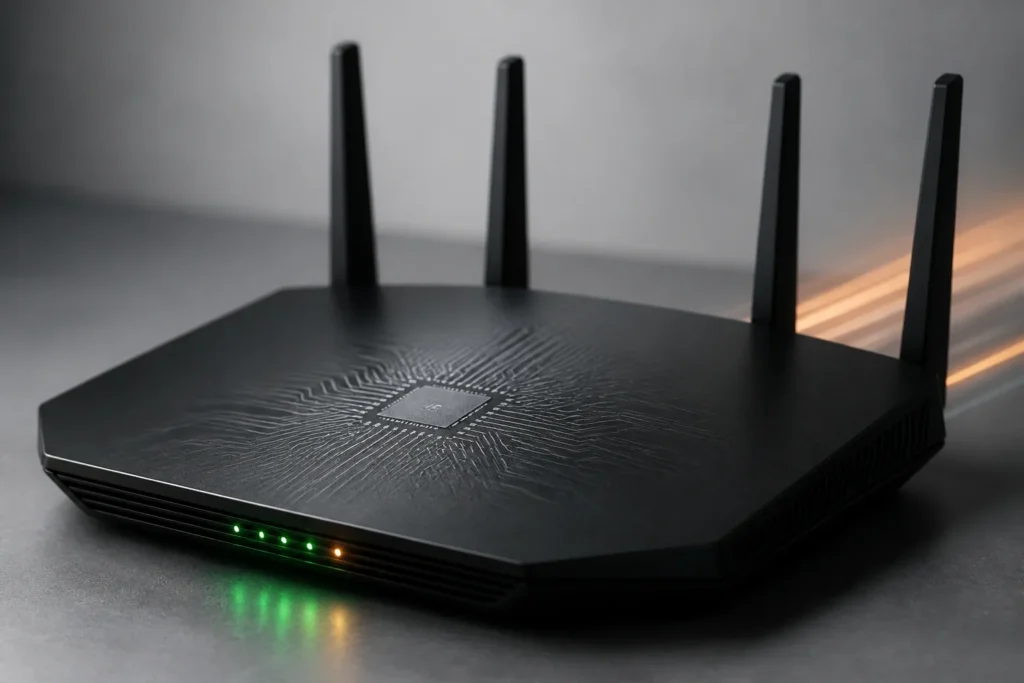
AI can also monitor crowd size and traffic flow to aid responder planning, and an AI-enabled router can monitor, catch threats and isolate a compromised device on your network dhs.govdailytechedge.com.
Across multiple sites, AI can coordinate security operations and help assign patrols while still leaving guards responsible for human judgement and face-to-face communication eagleeyepro.com.

What detection accuracy, response time, device compatibility, and subscription costs should be compared when choosing an AI safety system?
Key comparison points are detection accuracy, response latency, device coverage and subscription or hardware costs.
A proposed screening scheme reported an average accuracy of 99.5% across its evaluation metrics, which illustrates the kinds of performance figures you should ask vendors to substantiate pmc.ncbi.nlm.nih.gov.
Onboard edge computing is used to reduce response time for real-time analytics and prediction, so ask whether analysis runs at the edge or in the cloud pmc.ncbi.nlm.nih.gov.
Compare subscription models: Eero Plus lists AI-powered network threat detection and content filtering at about $10 per month, while Firewalla Gold provides security monitoring after a hardware purchase with no ongoing subscription fee dailytechedge.com.
Check device compatibility and licence limits—Bitdefender Total Security covers up to five devices in one licence, and in one hands-on test Bitdefender had a higher malware detection rate than Windows Defender and Norton dailytechedge.com.
For a small home-office stack, expect recommended costs around $8–10 per month in published guidance, and consult DHS’s SAVER reports if you need independent evaluations for responder-grade equipment dailytechedge.comdhs.gov.
How do you set up an AI-powered safety system and connect it to emergency contacts or professional responders?
Setting up an AI safety system typically involves basic device registration, optional vendor training, and then mapping alert workflows to contacts or dispatch channels.
Some platforms are designed for minimal setup and no complex configurations, so you can deploy quickly without specialist installers solink.com.
Vendors may provide training and/7 technical assistance for their platforms to help you tune detection thresholds and workflows solink.com.
Automated systems can detect breaches, isolate affected areas and initiate remediation without human intervention when configured to do so linkedin.com.
Proposed workflows for health-focused screening include a central station placing an independent emergency call and sending location and identity to a server, and registration portals may ask for phone, email, home address and three to nine face photographs as part of enrolment pmc.ncbi.nlm.nih.gov.
The same kind of scheme can send real-time notifications by email or contact number, so map those alerts to your emergency contacts or to professional responders during setup pmc.ncbi.nlm.nih.gov.
Practically, start with a minimum security setup, use it for a month, then add layers only if they fit your operations, as recommended in vendor guidance dailytechedge.com.
What privacy, cybersecurity, bias, and false-alarm risks can AI safety systems create, and how can users reduce them?
AI safety systems introduce privacy, cybersecurity and bias risks that you should treat deliberately rather than as an afterthought.
Face-blur features can obscure faces in recorded footage when clips are saved or shared to reduce identifiability solink.com.
Some proposed systems avoid storing uploaded face photographs by sending face embeddings to a central server instead, and the scheme suggests sending a 128-by-1 embedding vector rather than the full image to help preserve privacy pmc.ncbi.nlm.nih.gov.
Regularly updating smart-home devices and using strong, unique passwords is a basic way to improve your network security posture customgroupsecurity.com.
Policy and operational risks include privacy intrusions, deepfakes, inappropriate accusations and false calls associated with AI use in emergency operations, so you should plan verification and appeal steps into any response workflow dhs.gov.
Phishing also remains an entry point because tools cannot stop users from submitting credentials on convincing fake pages dailytechedge.com.
At the same time, AI tools can reduce false alarms and help guards focus on verified incidents, so tune models and thresholds to balance sensitivity and precision eagleeyepro.com.
How can you measure whether an AI safety system improves incident detection and response compared with conventional security tools?
Measure improvement by comparing processing time, compliance rates, incident counts and whether the approach is proactive rather than purely investigative.
ANPR automation deployments report cutting weighbridge processing time by up to 80%, which is a clear benchmark for throughput gains in specific workflows datenwissen.com.
Vendor reports state PPE-detection systems can reduce PPE non-compliance by over 90% and some systems report reductions in machinery-related incidents of up to 75%—use these metrics as comparative targets when available datenwissen.com.
Unlike traditional systems that investigate after an incident, AI approaches are described as proactive and predictive, so include lead indicators (near-misses, abnormal behaviour scores) in your evaluations as well as lagging indicators (accidents) nistglobal.com.
For responder procurement or high-assurance selection, consult DHS’s SAVER programme evaluation reports to inform equipment selection and to benchmark performance against independent tests dhs.gov.
| System | Safety issues detected | Response or timing |
|---|---|---|
| Daten & Wissen cameras datenwissen.com | workers without proper PPE datenwissen.com | as soon as they enter restricted areas datenwissen.com |
| AI cameras nistglobal.com | missing PPE, unsafe lifting and unsafe environments such as unauthorized access nistglobal.com | — |
| Vision AI integrated with surveillance cameras visionify.substack.com | workplace hazards and compliance issues; hazards such as smoke or fire, or a saf visionify.substack.com | in real time; alert supervisors or safety personnel visionify.substack.com |
| System | Detection capability | Event handling or response |
|---|---|---|
| Solink AI-driven person and vehicle detection solink.com | people or vehicles enter predefined zones solink.com | logs events solink.com |
| intelligent video analytics linkedin.com | unusual movements or unauthorized access linkedin.com | alert security teams in real time linkedin.com |
| AI surveillance systems eagleeyepro.com | movement patterns, trespassing, and unattended items eagleeyepro.com | — |
| AI computer vision technology tested by first responders dhs.gov | weapons dhs.gov | automatically detects and classifies dhs.gov |
Key Takeaways
- Ask vendors for measured accuracy and whether analytics run at the edge to reduce response time pmc.ncbi.nlm.nih.gov.
- Include wearables and fall-detection if you care about personal safety, since wearables track vitals and detect falls in real time nistglobal.comvisionify.substack.com.
- Balance functionality with privacy: prefer face-blur, minimal image storage and embeddings to reduce identifiability when possible solink.compmc.ncbi.nlm.nih.gov.
- Compare subscription models and device coverage—expect options from about $8–10 per month to one-off hardware purchases with no ongoing fee dailytechedge.com.
- Use independent evaluation reports such as DHS’s SAVER to benchmark responder-grade systems dhs.gov.
Frequently Asked Questions
Which is a good AI security practice?
A good AI security practice is to keep smart-home devices updated and use strong, unique passwords to reduce network risk customgroupsecurity.com.
What are examples of AI?
Examples include vision AI for video analytics, ANPR for plate reading, predictive analytics, wearables and fall-detection, drones with sensors, gesture recognition, thermal-plus-normal camera screening, device-behaviour security models, and intelligent video analytics visionify.substack.com.
What are the biggest security risks of AI agents?
The biggest security risks include privacy harms, deepfakes, inappropriate accusations, false calls and social-engineering vectors such as phishing that can bypass technical defenses dhs.gov.
Which is the most secure AI platform?
The ledger does not name a single most-secure AI platform; DHS’s SAVER programme publishes evaluation reports to help responders select and procure equipment instead dhs.gov.
Sources
- Artificial intelligence-enabled Internet of Things-based system for COVID-19 screening using aerial thermal imaging
- Top AI security solutions to consider in physical security spaces (2025-07-10)
- 7 AI Tools That Are Transforming Workplace Safety in Challenging Environments (2023-12-01)
- 5 Ways AI Helps Security Guards Respond Faster to Emergencies (2025-11-11)
- How AI and Technology Are Revolutionizing Security: From Loss Prevention to Incident Avoidance (2025-11-24)
- AI Revolution in Health and Safety: Smarter Workplaces (2025-09-16)
- Feature Article: AI Means Better, Faster and More for First Responders
- 3 AI Innovations Transforming Workplace Safety & Efficiency
- Best AI Security Tools For Home Office (2026) (2026-04-22)
- Top Security Innovations Transforming Home Safety