The Future Of AI In Transportation
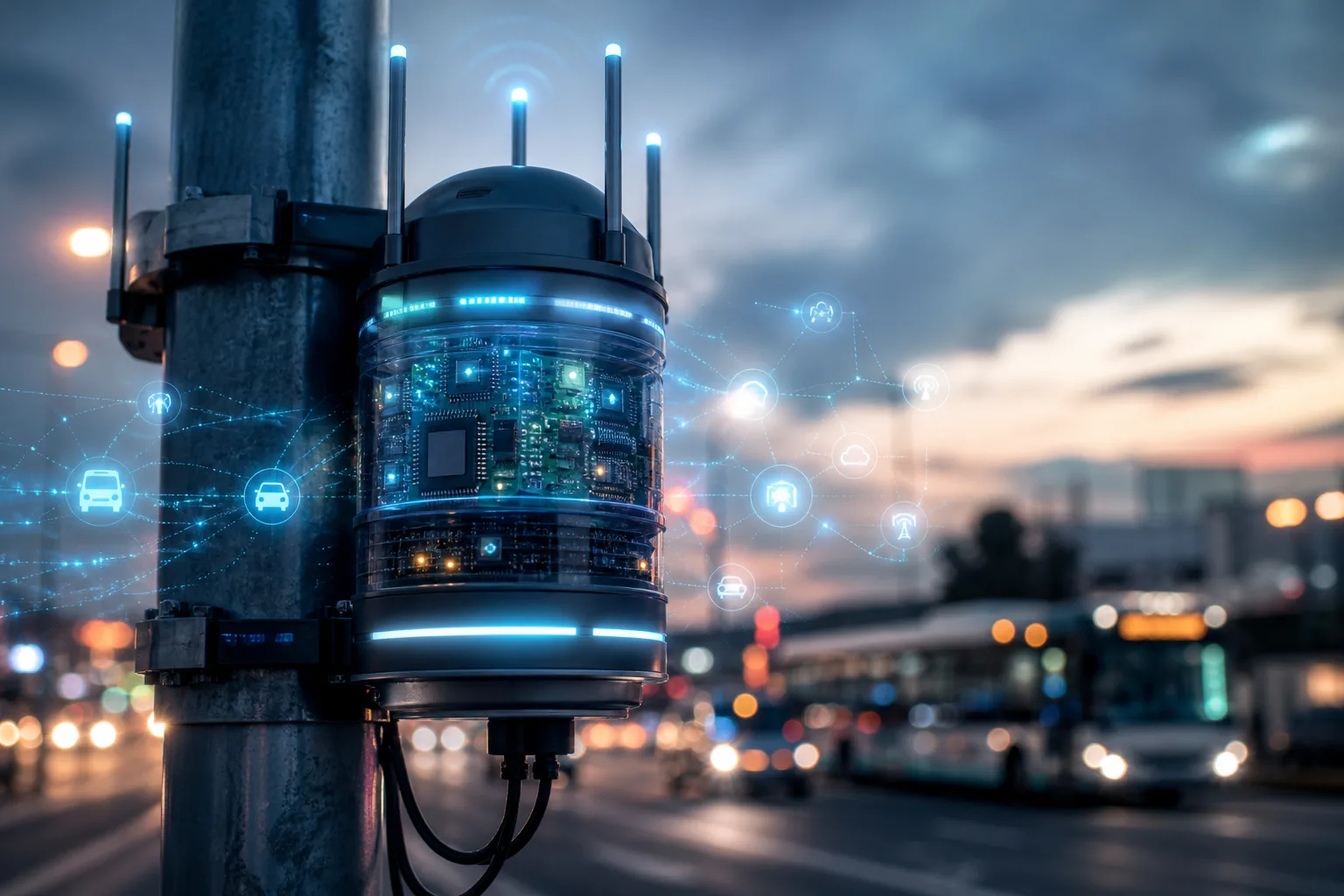
This page explains how AI tools like predictive analytics, sensors, and computer vision are changing traffic, transit, and self-driving vehicles. It covers what data, equipment, and funding agencies need before using these systems. Readers can learn what to check before adopting AI in transportation.
The Future of AI in Transportation will combine predictive analytics, LLMs using GTFS, computer vision and sensor fusion across traffic management, route planning, transit forecasting and autonomous vehicles, and could affect about 1.1 million transportation workers mitsloan.mit.edu.
- AI predictive analytics can forecast ridership and help optimise vehicle deployment ptvgroup.com
- MIT researchers estimate AI will affect about 1.1 million transportation workers mitsloan.mit.edu
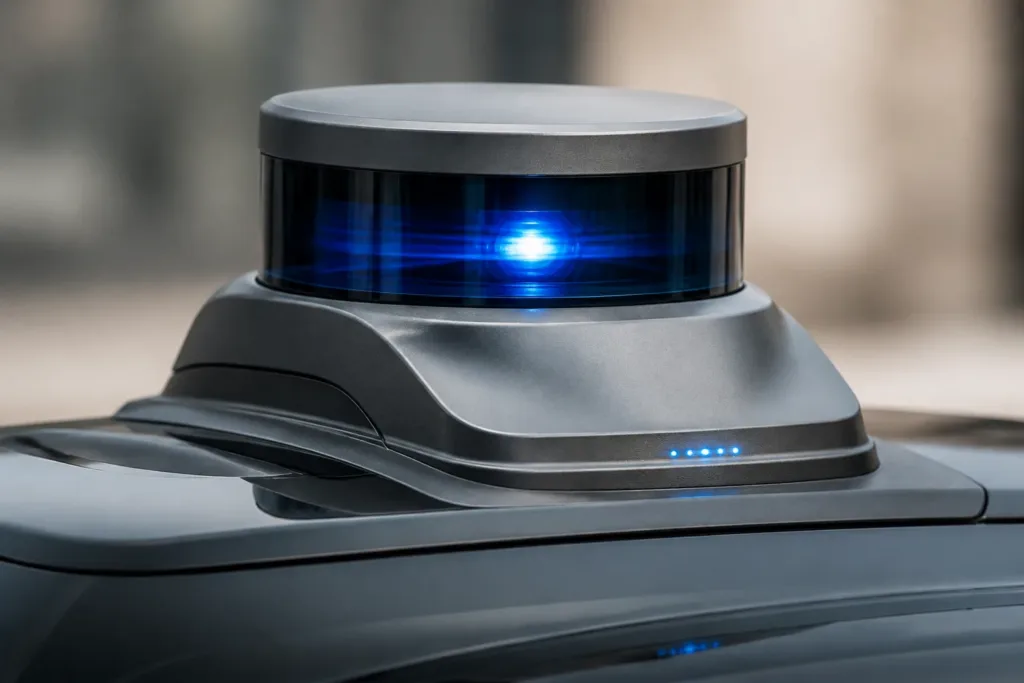
- Autonomous vehicle stacks process LiDAR, radar, camera and HD-map data for perception and driving decisions tech-stack.com
- A reported pilot in Kathmandu reduced congestion by up to 25% after an AI-driven deployment tech-stack.com
Which AI technologies are being used in transportation for traffic management, route planning, transit forecasting, and autonomous vehicles? — The Future of AI in Transportation
AI predictive analytics can forecast ridership, optimize vehicle deployment, and help operators respond to service disruptions ptvgroup.com.
Large language models using GTFS and other public data have been tested to support transit route planning, demand prediction, and travel recommendations in San Antonio ptvgroup.com.
Traffic-management platforms blend real-time feeds with historical patterns and predicted traffic states to make dynamic signal and routing decisions ptvgroup.com.
Autonomous vehicles rely on perception, decision-making and behavior prediction driven by computer vision, sensor fusion and machine learning ptvgroup.com.
Vehicle stacks combine LiDAR, radar, camera and HD-map inputs for object detection and driving decisions while reinforcement-learning algorithms have been applied to adaptive signal control to reduce congestion and emissions tech-stack.comgeeksforgeeks.org.
Mobility-on-demand and fleet-allocation systems use demand forecasting plus live traffic inputs to assign vehicles and reroute deliveries in real time tech-stack.com.
The Future of AI in Transportation already spans LLM-driven planning, predictive analytics, sensor-based perception and adaptive control ptvgroup.com.
The Future of AI in Transportation is represented in DOT priorities that include generative super intelligence, NLP, computer vision and predictive analytics for transport applications transportation.gov.
The Future of AI in Transportation is active across signal timing, route optimization and autonomous stacks that use cameras and telematics alongside GPS probes and weather-aware inputs tech-stack.com.

What criteria should transport agencies use to decide whether an AI system is worth deploying?
Upfront spending on hardware, software, infrastructure upgrades, and staff training is a core deployment criterion for transport AI projects lumenalta.com.
Building and maintaining sensor networks, edge and cloud compute, and communications infrastructure carries ongoing costs that must be factored into any decision geeksforgeeks.org.
Data used by AI should be complete, accurate and representative of real-world conditions before you commit to operational rollout tech-stack.com.
Agencies are advised to assess data availability, existing infrastructure, internal capabilities and clear objectives before adopting AI solutions smartdev.com.
Safety requirements — including layered protections, human oversight and incident-response protocols — should be part of your go/no-go criteria tech-stack.com.
Investment needs for cloud services, durable data storage and edge devices must be budgeted as part of the cost assessment for AI adoption smartdev.com.
The Future of AI in Transportation should be judged on readiness of your data, safety measures and long-term operational costs rather than novelty alone smartdev.com.
The Future of AI in Transportation demands realistic budgeting for both capital and recurrent expenses tied to sensors, networks and compute lumenalta.com.
The Future of AI in Transportation will only succeed where clear objectives, dependable data and layered safety are demonstrable before scale-up tech-stack.com.

What data, infrastructure, and investment are needed to deploy AI-powered traffic management or predictive maintenance?
Transport AI models combine traffic sensor, public-transport, socio-demographic and structural data to represent urban mobility and demand patterns ptvgroup.com.
Live integration from traffic sensors, GPS probes and signal controllers underpins real-time models such as York’s system, which fuses these feeds to forecast traffic states ptvgroup.com.
Predictive maintenance requires IoT sensors to monitor engine temperature, vibration and fuel efficiency so analytics can surface early warning signs lumenalta.com.
Advanced networks like IoT and 5G support many AI use cases but availability and reliability vary by region and must be validated before deployment lumenalta.com.
Cameras, LiDAR and telematics feed routing, perception and safety decisions for vehicles and roadside systems geeksforgeeks.org.
Edge computing reduces latency by placing computation in vehicles or roadside units for tasks such as collision avoidance and adaptive signal control geeksforgeeks.org.
Sensor telematics for fleet tracking — including location, temperature, load weight and driver performance — provide the inputs for route and risk optimisation geeksforgeeks.org.
Predictive-maintenance analytics detect anomalies and estimate remaining useful life from sensor streams to prevent breakdowns and extend assets’ lifespan tech-stack.com.
Practical deployment steps start with collecting, storing, integrating and then cleaning and validating GPS, sensor and operational data before training models smartdev.com.
Investment must cover cloud computing, durable data storage and edge devices, and federal research and funding can enable regional deployments smartdev.com.
The Future of AI in Transportation depends on assembling these data streams, networks and funding pathways before you scale pilots transportation.gov.
The Future of AI in Transportation also requires you to map network availability and edge compute capacity as part of any rollout plan lumenalta.com.
The Future of AI in Transportation will rely on combining telematics, sensor fusion and validated predictive models to produce reliable maintenance and traffic outcomes geeksforgeeks.org.
How can transportation providers introduce AI into existing systems, from collecting data and running pilots to monitoring performance?
Evaluating scenarios with data and simulation is a practical first step; York, for example, evaluates traffic management scenarios using simulation before deployment ptvgroup.com.
Training and upskilling staff to use AI tools is recommended so workers can take adjacent roles and operate new systems effectively mitsloan.mit.edu.
Integrating AI into existing operations often requires substantial time and specialist expertise, which you should budget into project timelines lumenalta.com.
Start with clear goals, good data, small pilots and regular feedback from users and staff to validate assumptions before scaling tech-stack.com.
Collecting and preparing GPS, sensor and operational data is an essential preparatory step for any pilot or production system smartdev.com.
Begin with small, measurable pilot projects, evaluate them with clear metrics, and scale validated solutions gradually rather than attempting wholesale replacement smartdev.com.
The Future of AI in Transportation appears when organisations marry simulation-led evaluation, workforce readiness and disciplined, metric-driven pilots ptvgroup.com.
The Future of AI in Transportation asks you to treat integration as an organisational change project — not just a technology upgrade — because staff and processes must adapt mitsloan.mit.edu.
The Future of AI in Transportation is best introduced incrementally: pilot, measure, iterate, then scale with a trained workforce and validated data pipelines smartdev.com.

How many transportation jobs or tasks could AI automate, and which roles—including trucking and logistics jobs—are most exposed?
MIT researchers estimate that AI will affect about 1.1 million transportation workers mitsloan.mit.edu.
The study found AI can accelerate at least one task in 83% of occupations examined, meaning many roles will see task-level change rather than wholesale disappearance mitsloan.mit.edu.
Highly exposed jobs include shipping, receiving and inventory clerks, reservation and ticket agents, and cargo and freight agents, which are likely to see substantial automation pressure mitsloan.mit.edu.
Cognitive tasks involving information processing, decision-making and quantitative analysis are more replicable than manual, physically demanding tasks, shaping who is most exposed mitsloan.mit.edu.
Evidence suggests long-haul trucking may suit automated trucks while short-haul and local deliveries are less likely to be fully automated because they require flexibility and dexterity mitsloan.mit.edu.
The authors emphasise that complete automation is unlikely and that AI will often augment workers and change responsibilities rather than replace them outright mitsloan.mit.edu.
The researchers estimate AI could accelerate $65 billion of transportation work and note the sector paid $290 billion in wages in 2024, providing economic context for disruption mitsloan.mit.edu.
Automating the largest exposed tasks could reduce annual costs by $1–4 billion, which is a tangible incentive for firms to invest in AI mitsloan.mit.edu.
About 28% of transportation jobs held by workers with only a high school diploma are in the top quartile of AI exposure, representing roughly 1.1 million U.S. workers and signalling a need for reskilling mitsloan.mit.edu.
Because automating repetitive tasks may lead to displacement, you should plan workforce reskilling and ethical transition strategies as part of AI deployment lumenalta.com.
The Future of AI in Transportation therefore includes sizable labour impacts that demand reskilling programs and policy-level workforce development tech-stack.com.
The Future of AI in Transportation will shift job content across logistics and trucking, and you should measure exposure and prepare transition supports before scaling automation mitsloan.mit.edu.
The Future of AI in Transportation is likeliest to augment roles where cognitive tasks dominate and to leave many manual and dexterous roles less affected mitsloan.mit.edu.
What safety, privacy, cybersecurity, and reliability risks can AI create in transportation, and how can they be mitigated?
Real-world-only validation of autonomous systems is infeasible because it would require billions of test miles, so simulation is necessary for exposing rare edge cases ptvgroup.com.
Simulation can expose AI-powered autonomous systems to critical and rare traffic events to help systems learn safe behaviour under controlled, repeatable conditions ptvgroup.com.
Simulated test drives enable continuous validation of autonomous vehicle control systems before and during deployment ptvgroup.com.
AI systems can analyse vehicle and road data to detect potential hazards and help prevent accidents, offering a safety benefit when properly implemented lumenalta.com.
Collecting and analysing large amounts of transport data raises concerns about protecting sensitive information and meeting regulatory standards, so robust data governance is required lumenalta.com.
AI transportation systems may still fail in rare or unpredictable conditions, including extreme weather or technical malfunctions, which creates residual safety risks geeksforgeeks.org.
Recommendations to mitigate risks include multiple safety layers, human oversight, clear incident-response protocols and continuous monitoring for bias and vulnerabilities tech-stack.com.
Robust data-protection policies, transparent operations and continuous monitoring for bias and vulnerabilities are necessary to address privacy and cybersecurity concerns tech-stack.com.
Autonomous vehicles must meet strict safety and performance standards before scaled deployment to ensure acceptable reliability and accountability smartdev.com.
The Future of AI in Transportation demands that you pair simulation-driven validation with layered safety controls and strong data governance to be defensible on safety and privacy grounds ptvgroup.com.
The Future of AI in Transportation also requires continuous oversight and incident-response readiness because uncommon failures can have outsized consequences tech-stack.com.
The Future of AI in Transportation cannot ignore regulatory performance thresholds for autonomous systems if you hope to deploy at scale smartdev.com.
How can agencies measure whether AI improves travel times, service reliability, road safety, or emissions compared with existing systems?
Microscopic simulation combined with tools such as PTV Flows and PTV Optima is a validated approach for emission-sensitive traffic-management evaluation ptvgroup.com.
AI can reduce emissions through improved fuel management, efficient routing and traffic decongestion, which are measurable outcomes when you instrument systems correctly lumenalta.com.
AI provides real-time insights about congestion patterns, shipment status and performance metrics that you can use for before/after comparisons lumenalta.com.
Pilot evidence can be meaningful: a Kathmandu implementation reported congestion reductions of up to 25% in one account tech-stack.com.
Intelligent traffic management alone has been reported to reduce urban emissions by 10–15% in high-density areas, offering a benchmark for potential gains tech-stack.com.
Forecasting horizons of about 10–30 minutes support proactive signal optimization and therefore measurable travel-time improvements in short-term evaluations tech-stack.com.
Customer-experience measures such as delivery accuracy, wait times and service reliability should be part of your evaluation suite alongside operational and emissions metrics smartdev.com.
AI can also help reduce greenhouse-gas emissions by optimising routes, schedules and resource allocation, which you can track against baseline emissions inventories smartdev.com.
The Future of AI in Transportation is measurable if you combine microscopic simulation, short-term forecasting and experience metrics into your evaluation framework ptvgroup.com.
The Future of AI in Transportation asks you to compare emissions, travel time and reliability against calibrated baselines and to use pilot evidence such as Kathmandu’s as a reference point tech-stack.com.
The Future of AI in Transportation becomes actionable when you tie algorithm changes to concrete KPIs like emissions percentages, congestion reduction and delivery accuracy smartdev.com.
| Source | Data used | Actions |
|---|---|---|
| ptvgroup.com ptvgroup.com | real-time data alongside historic patterns and predicted traffic states ptvgroup.com | make dynamic decisions ptvgroup.com |
| lumenalta.com lumenalta.com | camera, road-sensor, and GPS data lumenalta.com | optimize traffic flow and adjust signal timings based on current congestion lumenalta.com |
| tech-stack.com tech-stack.com | real-time camera, GPS, telematics, historical congestion, and weather data tech-stack.com | adjust signal timing and routes tech-stack.com |
| smartdev.com smartdev.com | real-time camera, sensor, and GPS data smartdev.com | adjust signals dynamically and reduce congestion smartdev.com |
| Source | Methods or data | Capabilities |
|---|---|---|
| lumenalta.com lumenalta.com | computer vision, machine learning, and sensor fusion lumenalta.com | make real-time decisions lumenalta.com |
| tech-stack.com tech-stack.com | LiDAR, radar, camera, and high-definition map data tech-stack.com | detect objects, predict behavior, and make driving decisions tech-stack.com |
| smartdev.com smartdev.com | machine learning and computer vision smartdev.com | navigate, detect obstacles, and make decisions smartdev.com |
| Application | Data / Technologies | Primary Actions / Outcomes |
|---|---|---|
| Traffic management | Real-time plus historical data, cameras, road sensors and GPS | Dynamic signal timing, routing and congestion reduction |
| Autonomous vehicles | LiDAR, radar, camera, HD maps, computer vision and sensor fusion | Object detection, behaviour prediction, and driving decisions |
| Predictive maintenance | IoT sensors for temperature, vibration, telematics and fleet data | Anomaly detection and remaining-useful-life estimates |
Key Takeaways
- Assess data availability, infrastructure and internal capabilities before adopting AI solutions smartdev.com
- Budget for upfront hardware/software costs and ongoing sensor, network and compute maintenance lumenalta.com
- Start with small pilots, clear goals and measurable metrics before scaling AI systems tech-stack.com
- Build layered safety protections and incident-response protocols alongside AI deployments tech-stack.com
Frequently Asked Questions
Will AI ever take over the trucking industry?
Long-haul trucking may be suited to automation while short-haul and local deliveries are less likely to be fully automated, so AI may change trucking rather than entirely replace it mitsloan.mit.edu. The authors also caution that complete automation is unlikely and that augmentation is a more probable outcome mitsloan.mit.edu.
Is AI replacing logistics?
AI will reshape logistics tasks by accelerating or automating specific roles such as shipping, receiving, inventory, and cargo handling rather than replacing the whole sector outright mitsloan.mit.edu. Researchers found AI can accelerate at least one task in 83% of occupations, which means logistics workflows will change substantially mitsloan.mit.edu.
How can AI be used in transportation?
AI can be used for predictive analytics, traffic management, route planning, and autonomous-vehicle perception and decision-making in transportation ptvgroup.com. Operators also use LLMs with GTFS for transit route planning and computer vision plus sensor fusion for real-time vehicle decisions ptvgroup.com.
What are the potential downsides of using AI in transportation?
AI creates downsides such as data-privacy concerns when collecting large datasets and safety gaps under rare conditions like extreme weather lumenalta.com. Mitigations include layered safety, human oversight, incident-response protocols, and continuous monitoring for bias and vulnerabilities tech-stack.com.
Sources
- Which transportation workers will be most impacted by AI? (2025-09-23)
- AI in transportation
- How Artificial Intelligence Transforms Mobility (2025-05-28)
- AI in Transportation – GeeksforGeeks (2024-07-30)
- U.S. DOT Super Intelligence Activities
- AI in transportation: ways it’s transforming the industry | AI in transportation: advantages, examples, and future trends | AI in transportation and logistics (2024-05-21)
- AI in Transportation: Top Use Cases You Need To Know (2026-03-20)