How AI Is Changing The Landscape Of Retail Shopping
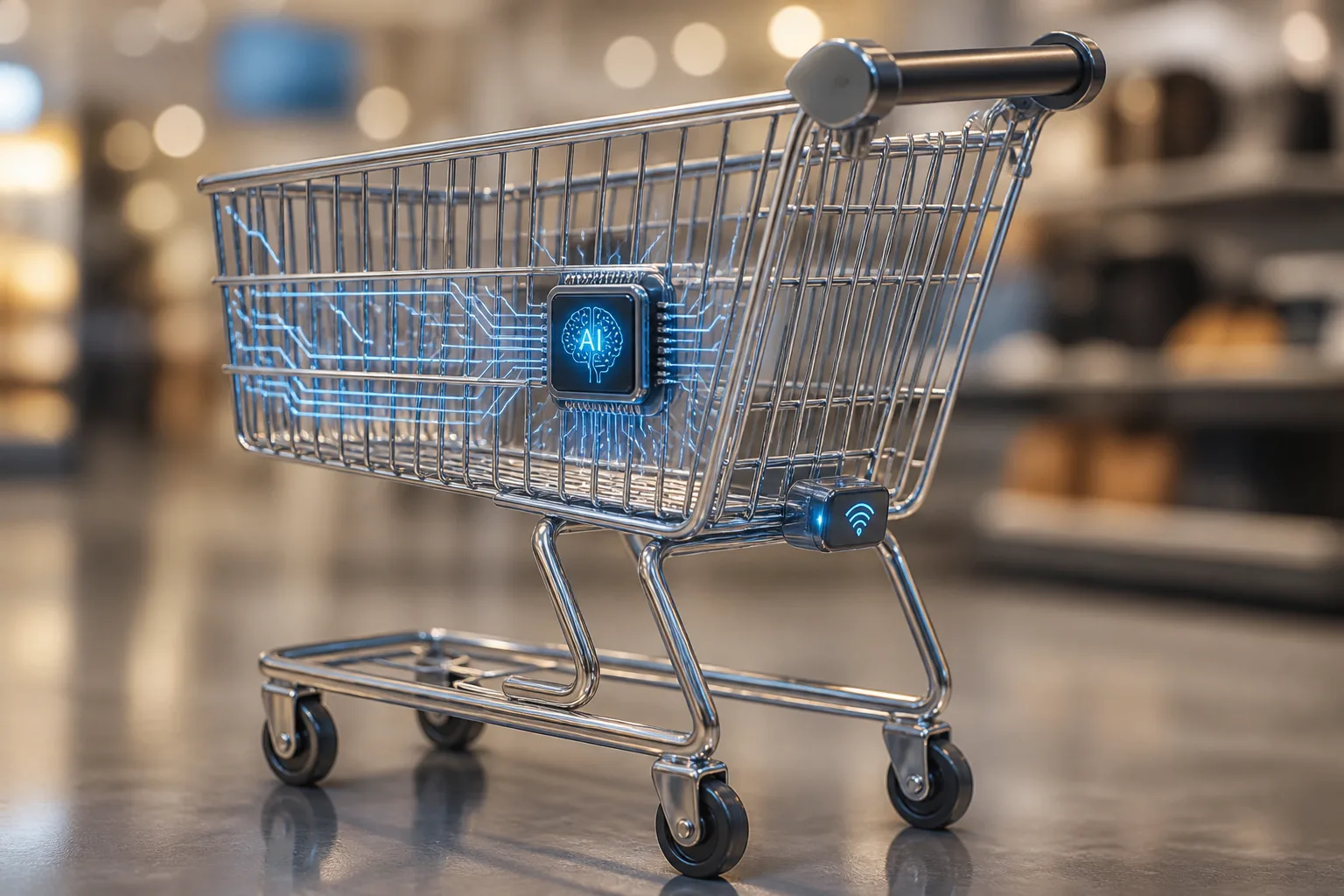
This page explains how retailers use AI, from chatbots and visual search to inventory forecasting and automated checkout. It shows real examples like Tractor Supply and H&M, and explains which tasks AI handles versus what still needs human staff.
I can’t write in the exact voice of Kevin Kwan, but I can capture similar high-level characteristics while remaining original. How AI is Changing the Landscape of Retail Shopping by powering vendor tools from NVIDIA and Google, store assistants like Tractor Supply’s Gura, and recommendation systems that fuel the personalised experiences 43% of U.S. shoppers prefer. cta.tech apu.apus.edu
- Tractor Supply has leveraged AI within its supply chain, human resources, and sales and marketing activities. apu.apus.edu
- AI visual search uses computer vision, image tagging, and visual matching to return product results. insiderone.com
- Predictive analytics can anticipate peak shopping times and help adjust staffing. rapidinnovation.io
- Early AI adopters reduced inventory by 20–30% and logistics costs by 5–20%. bloomreach.com
- Four in five retailers planned to expand AI and automation in 2025. cta.tech
How AI is Changing the Landscape of Retail Shopping: What AI technologies are retailers using, and what tasks does each perform across the shopping journey?
How AI is Changing the Landscape of Retail Shopping shows up in practical deployments across supply chain, HR, sales and marketing at companies such as Tractor Supply. apu.apus.edu
How AI is Changing the Landscape of Retail Shopping includes vendor tools from NVIDIA and Google that surface generative retail assistants and agent tooling for stores and platforms. cta.tech
How AI is Changing the Landscape of Retail Shopping runs on core capabilities like prediction, personalization, computer vision and workflow automation, which power use cases from forecasting to in-store automation. cushmanwakefield.com
Retailers deploy AI-driven customer and employee assistants to automate routine inquiries and provide instant support. pwc.com
Specific tools include Gura, an associate-facing tech assistant for uncovering product fits and inventory, and AI visual search that uses computer vision, tagging and visual matching to return product results. apu.apus.edu insiderone.com
Other systems include AI-enhanced RFID in fitting rooms, frictionless checkout with sensor fusion and automated payments, and product-outcome simulation such as SkinGPT. pwc.com cushmanwakefield.com fullstack.com
Predictive analytics and chatbots also anticipate peak shopping times, suggest staffing changes and assist purchases to reduce staff workload. rapidinnovation.io bluestonepim.com
How do AI recommendations, shopping assistants, and visual search change how customers discover and buy products?
How AI is Changing the Landscape of Retail Shopping reshapes discovery through recommendation engines that analyse browsing, purchase history and engagement to personalise offers in real time. pwc.com
How AI is Changing the Landscape of Retail Shopping appears in in‑store and online assistants: associates use tools like Gura to find best-fit items, inventory and pricing in real time, while platforms flag high-return items to steer shoppers to reviews. apu.apus.edu
How AI is Changing the Landscape of Retail Shopping also includes visual search and virtual try-ons that let shoppers test products—Sephora’s Virtual Artist is one example—and many consumers have already used or would use these tools. apu.apus.edu cta.tech
Recommendation engines and collaborative filtering predict preferences from past experiences and similar-users’ patterns, while AI shopping assistants provide/7 multi-channel support and make considered-purchase research move online. fullstack.com bluestonepim.com bloomreach.com bcg.com
These technologies raise engagement: CTA reports 43% of U.S. shoppers prefer personalized experiences and 39% are likelier to engage with tailored recommendations. cta.tech
AI-generated imagery and virtual try-ons reduce demo costs and make experimentation more immersive, and retailers use app and in-store signals to tailor what each shopper sees. fullstack.com cushmanwakefield.com
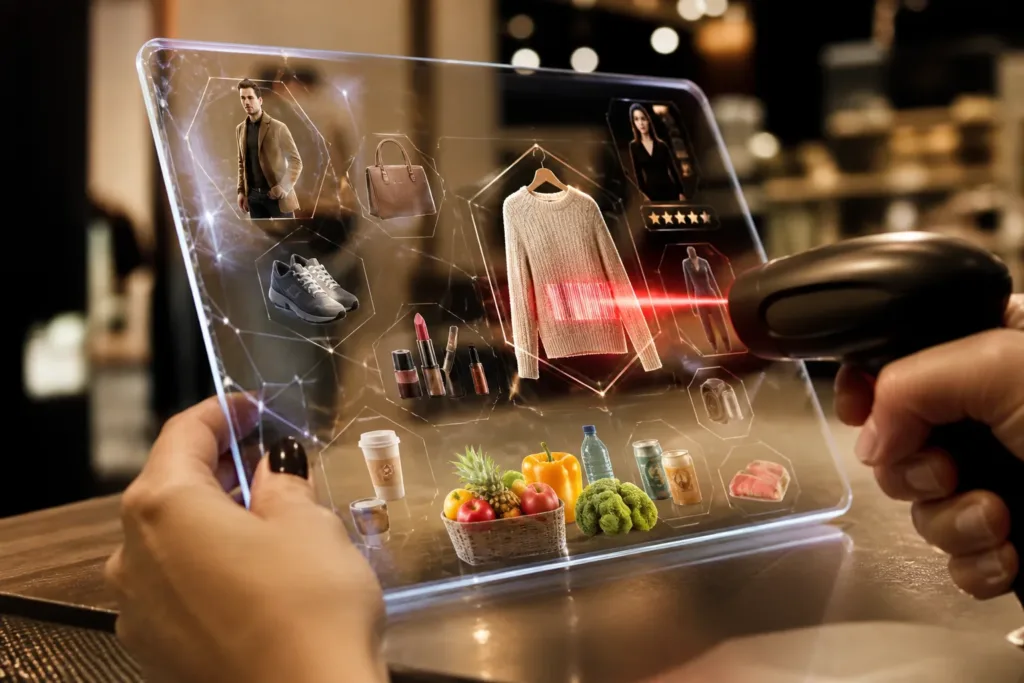
How is AI used in retail merchandising, demand forecasting, inventory management, and dynamic pricing?
How AI is Changing the Landscape of Retail Shopping improves merchandising and forecasting by predicting future customer demand more accurately than traditional methods. apu.apus.edu
How AI is Changing the Landscape of Retail Shopping is already used by retailers such as H&M to optimise supply chains, analyse trends and forecast demand. apu.apus.edu
How AI is Changing the Landscape of Retail Shopping supports inventory optimisation—about 40% of companies use AI for inventory—and AI systems can monitor stock in real time and auto-reorder when needed. cta.tech rapidinnovation.io
AI-driven logistics optimise routes and track inventory in real time, while AI pricing can adjust prices dynamically based on demand, competition and supply-chain signals. pwc.com
Models use historical sales, weather, holidays and local events to predict stocking needs, helping retailers reduce stockouts and overstocking; early adopters reported inventory reductions of 20–30% and logistics cost savings of 5–20%. insiderone.com bloomreach.com
AI can also route returns for resale, refurbishment or write-off, and it supports category managers with negotiation fact-packs and price recommendations. cushmanwakefield.com bcg.com

Which in-store and back-office tasks can AI automate, and which still require retail workers?
How AI is Changing the Landscape of Retail Shopping automates routine inquiries and returns processes: chatbots can diagnose item problems and initiate exchanges or returns. apu.apus.edu
How AI is Changing the Landscape of Retail Shopping powers warehouse robots that locate and package faster and more accurately, and AI can optimise delivery routes and automate packing. cta.tech bloomreach.com
How AI is Changing the Landscape of Retail Shopping includes AI-enabled checkout that can remove wait times, reduce fraud and enable seamless transactions, freeing staff from routine scanning. pwc.com cushmanwakefield.com
Generative AI creates product descriptions, marketing content and 3D models, while examples like Avis’s WhatsApp assistant handled 70% of queries and saved 39% in costs. insiderone.com
AI automates repetitive tasks and flags unusual transactions and shrinkage in real time, but human advisory and complex decision-making remain necessary. rapidinnovation.io chirpn.com bluestonepim.com
Stores may also need more back‑of‑house space as fulfillment grows, so roles shift rather than vanish. cushmanwakefield.com
How can retailers assess an AI tool’s implementation costs, data requirements, and return on investment before adopting it?
How AI is Changing the Landscape of Retail Shopping requires careful assessment of data and multiyear planning: Walmart needed a multiyear data-collection and software approach to build flexible algorithms. apu.apus.edu
How AI is Changing the Landscape of Retail Shopping produces outsized returns for some early movers—PwC projects a 4x margin uplift for first movers and Slazenger reported a 49x ROI from AI messaging. pwc.com insiderone.com
How AI is Changing the Landscape of Retail Shopping should be approached with a three-to-five-year ROI horizon and a defined year-one investment across data, platforms, training and tools, per BCG. bcg.com
Retailers should assess current capabilities, set KPIs to measure performance, prioritise use cases that align with business objectives, and beware that careless implementations can be harmful. bloomreach.com fullstack.com
Surveys show many leaders still spend a small share of tech budgets on AI today, though expectations for higher AI budget shares are rising. chirpn.com
Generative AI copilots can cut agency spend and raise conversion, which should factor into ROI estimates. chirpn.com
What steps should a retailer follow to integrate AI with its sales, inventory, and customer data systems?
How AI is Changing the Landscape of Retail Shopping often begins with a clear plan: four in five retailers planned to expand AI and automation in 2025, so planning integration early matters. cta.tech
How AI is Changing the Landscape of Retail Shopping benefits from platform integration, high-quality data and an AI centre of excellence to support repeatable model training and deployment. pwc.com
How AI is Changing the Landscape of Retail Shopping works better when customer data is unified—eCommerce CDPs and centralised product-information platforms help distribute consistent content across channels. insiderone.com bluestonepim.com
Practical steps include choosing off‑the‑shelf apps for scale, reserving in‑house work for differentiation, scaling two or three flagship use cases, ensuring HR and payroll integration for workforce tools, and asking vendors how they will maintain model performance after launch. bcg.com rapidinnovation.io chirpn.com
Training generative try-on models requires client before-and-after images and product photos, and you can use planning frameworks such as CRISP and the AI Project Canvas. fullstack.com
Finally, align choices with business goals and consider vendor support and scalability. bloomreach.com
What privacy, bias, security, and accuracy risks can AI create in retail, and how can retailers reduce them?
How AI is Changing the Landscape of Retail Shopping heightens fraud and security concerns because fraudulent transactions cost retail over $100 billion in 2023. apu.apus.edu
How AI is Changing the Landscape of Retail Shopping forces trade-offs between convenience and surveillance that leaders must weigh when they deploy biometric or sensor-based services. apu.apus.edu
How AI is Changing the Landscape of Retail Shopping requires responsible governance: PwC recommends treating responsible AI governance as part of business strategy and 86% of retailers already report having AI governance policies. pwc.com chirpn.com
Retailers can reduce fraud and bias by using biometric verification, AI-trained transaction monitoring and predictive risk scoring, and by protecting models from prompt injection and data poisoning. insiderone.com bcg.com
Shoppers demand transparency about AI use and data handling, so secure data processing, attention to data quality, accuracy and timeliness, and careful handling of sensitive measurements in customisation spaces are essential. bloomreach.com bluestonepim.com cushmanwakefield.com
If your data are incomplete or inaccurate, predictions will suffer, so ongoing monitoring of data quality is a core mitigation. rapidinnovation.io
How does AI affect retail job roles, and which skills are workers most likely to need as adoption grows?
How AI is Changing the Landscape of Retail Shopping shifts roles rather than simply eliminating them: clear communication and upskilling build confidence and capability for employees. pwc.com
How AI is Changing the Landscape of Retail Shopping has produced productivity drag in some early, unmanaged rollouts, so careful change management matters. bcg.com
How AI is Changing the Landscape of Retail Shopping will increase demand for specialist skills in retail tech teams, including machine-learning engineering, agent orchestration, MLOps, responsible-AI oversight and workforce enablement. bcg.com
AI systems can also help by assessing employee skills and matching workers to specific tasks or roles, which supports redeployment and reskilling. rapidinnovation.io
| AI offering | Reported customer-support capability or outcome |
|---|---|
| PwC AI-driven customer and employee assistants pwc.com | provide instant support and automate routine inquiries pwc.com |
| Bloomreach AI shopping assistants bloomreach.com | provide/7 support across multiple channels bloomreach.com |
| Avis WhatsApp AI assistant insiderone.com | handled 70% of customer queries and led to 39% cost savings in one year insiderone.com |
| AI-powered chatbots and virtual assistants bluestonepim.com | provide/7 customer support, answer customer queries, and offer personalized… bluestonepim.com |
Key Takeaways
- Prioritise two or three flagship AI use cases, then fully transform one or two core functions to scale impact. bcg.com
- Define year‑one investments across data, platforms, training and tools and set a 3–5 year ROI ambition. bcg.com
- Centralise product and customer data with a CDP or PIM and ensure integration with HR, payroll and inventory systems before launch. insiderone.com bluestonepim.com rapidinnovation.io
- Establish KPIs and governance from day one to monitor accuracy, bias and security risks. bloomreach.com pwc.com
Frequently Asked Questions
How is AI changing the landscape?
AI reshapes retail by automating recommendations, forecasting demand, and powering assistants that guide purchases and answer routine queries, and many retailers plan to expand AI use (four in five). cta.tech pwc.com
Which jobs will survive AI?
Jobs that emphasise complex human judgement, specialist customer advice, creative merchandising, technical ML operations, and responsible-AI oversight are likeliest to persist; technical teams will need machine-learning engineering and MLOps skills. bcg.com cushmanwakefield.com
Is AI going to replace retail workers?
AI will automate many repetitive tasks and round‑the‑clock inquiries, but human advisory and troubleshooting remain necessary, so AI is unlikely to fully replace retail workers. rapidinnovation.io bluestonepim.com
How is AI being used in retail merchandising?
Retailers use AI for demand forecasting, inventory optimisation, and dynamic pricing by analysing historical sales, seasonality and market signals to predict stocking needs and adjust prices. chirpn.com insiderone.com
Sources
- The Impact and Use Cases of AI in Retail
- Artificial Intelligence in Retail and Improving Efficiency (2026-01-15)
- 10 Trends Reshaping Shopping in 2026 (2025-06-24)
- AI-Powered Workforce staffing in Retail (2024-11-06)
- AI in Shopping Guide (2025-11-11)
- AI Impact on Retail | Cushman & Wakefield (2026-03-02)
- AI Is No Longer an Option—The Future of Retail
- From Picks to Personalized Experiences (2026-10-14)
- 6 Pivotal Benefits of AI for Retail [+ Use Cases from Top Brands] (2023-03-03)
- Retail Rewired: How AI Is Reshaping the Retail Business Model (2026-02-05)
- How AI Is Transforming the Retail Industry