The Future Of AI In Personal Fitness And Wellness
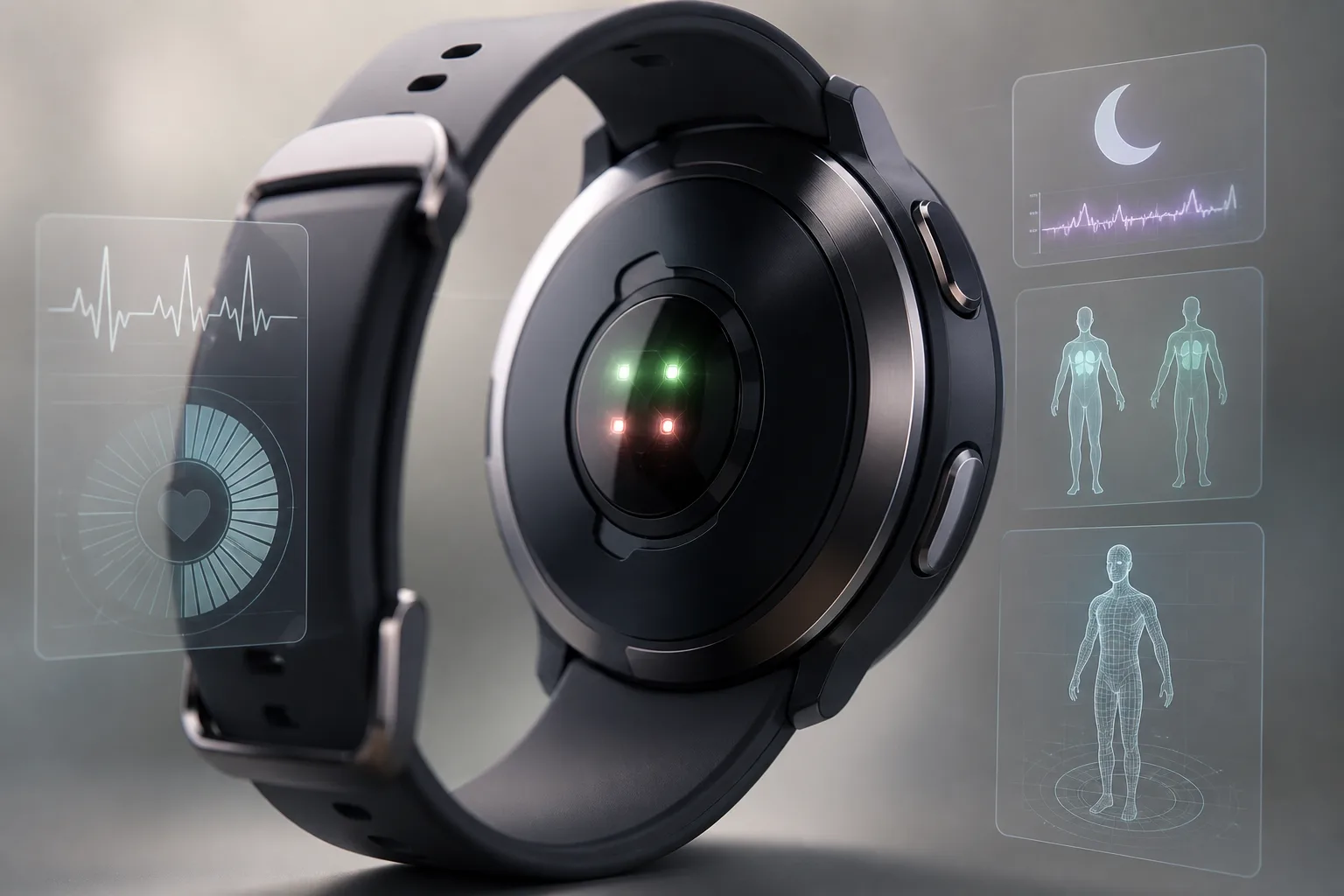
AI-powered tools — from wearables and smartphone apps to smart gym equipment and AI coaching platforms — use heart rate, steps, sleep and movement data to personalize plans, and the global AI fitness and wellness market is valued at USD 10.68 billion in netafit.org.
- AI fitness and wellness market valued at USD 10.68 billion in and forecast to reach USD 57.80 billion by insightaceanalytic.com.
- AI coaching apps typically cost $10–$30 per month, while online human coaching usually costs $100–$300 per month athletedata.health.
- Smartwatches and wearables can track steps, exercise/resting heart rate, sleep and workouts, and feed that data into AI systems netafit.org.
- FitXpress can produce 80+ body measurements and a 3D body model from two smartphone photos with internal validation showing ~96–97% agreement with expert manual measures 3dlook.ai.
What technologies and data sources are used in AI-powered personal fitness and wellness tools?
AI-powered fitness and wellness tools use a blend of wearables, smartphone sensors, and cloud algorithms to read your physiological and behavioral signals netafit.org.
Smartphone apps can monitor movement in real time and provide form analysis and feedback using the phone’s motion sensors and camera netafit.org.
Nutrition guidance may be delivered by platforms such as MyFitnessPal and Trainerize, which generate recommendations from your goals and health conditions netafit.org.
AI-driven trackers and smartwatches feed heart rate, activity levels and sleep habits into algorithms that project preferences and patterns for personalized coaching insightaceanalytic.com.
These systems ingest member data — age, gender, weight, fitness assessments and historical programs — and apply machine learning and computer vision to personalize outputs healthandfitness.org.
Computer-vision products can give squat and posture feedback while smart gym equipment tracks reps and adjusts resistance in real time ifpa-fitness.com.
Tele-exercise ecosystems often include IoT devices and environmental sensors to collect heart rate, sleep quality and other physiology for context-aware recommendations pmc.ncbi.nlm.nih.gov.
Some AI coaches read connected training and recovery accounts and generate plans from logged sessions, available equipment, and stated goals athletedata.health.
How do AI fitness platforms personalize workout plans compared with traditional training programs?
AI fitness platforms create personalized programs by analyzing a person’s goals, stated preferences and fitness level to generate and adapt workouts netafit.org.
Algorithmic programs are built to assess many variables — historical performance, equipment, and schedule — then update when progress or circumstances change forbes.com.
Virtual trainers and platforms can base plans on your goals, progress and tastes while some services assist coaches by auto-generating plans that are then refined by humans insightaceanalytic.com.
Companies like Spur.fit use AI to help coaches generate and adjust plans for a client’s limitations and preferences rather than replace the coach entirely 3dlook.ai.
By contrast, traditional human coaches often design custom plans from scratch, weaving in nuanced conversation and judgment a machine may miss trainwell.net.
Research shows AI-generated plans (for example ChatGPT runner plans) need more detailed input to approach expert-rated optimal programs, highlighting the input-sensitivity of automated personalization athletedata.health.
ACE frames AI as an assistant that helps professionals deliver individualized, adaptive programming across a spectrum that runs from algorithm-only to full professional oversight acefitness.org.
Some AI products offer short, schedule-adaptive sessions (5–30 minutes) that aim to fit training into your life rather than force you into a cookie-cutter program fitnessai.com.
Which wearable or body-measurement features are needed for accurate AI coaching and progress tracking?
Smartwatches and wearables that record steps, exercise and resting heart rate, sleep habits and logged workouts form the baseline for many AI coaching systems netafit.org.
Deeper personalization can draw on body composition, mobility and VO2 testing, plus genetic or recovery data where available, to shape program choices healthandfitness.org.
Machine-learning systems can provide real-time form prompts and motivational cues during a session, as some platforms report doing healthandfitness.org.
Devices such as WHOOP and Oura Ring interpret heart-rate variability and sleep to inform training-readiness suggestions and recovery guidance 3dlook.ai.
Smartphone-photo tools can produce dozens of body measurements and a 3D model quickly, and some claim high agreement with manual measures for repeat scans 3dlook.ai.
Wearables can capture oxygen consumption, posture and sleep quality, while motion-tracking on watches can log sets, pacing and range of motion when optimized for specific platforms pmc.ncbi.nlm.nih.gov.
Camera-based movement analysis is available in some apps but its accuracy varies by what the camera can capture and how the software is designed setforset.com.
Tele-exercise features and camera systems are still maturing and large-scale validation studies remain limited, so clinical-level claims require scrutiny pmc.ncbi.nlm.nih.gov.

How much do AI fitness apps, connected equipment, and virtual coaching typically cost compared with human personal training?
AI coaching apps typically cost about $10–$30 per month, often with limited free tiers, which places them well below most human-coach options athletedata.health.
Online human coaching usually runs between $100 and $300 per month, while premium, high-touch online programs can cost $250–$400 monthly athletedata.health.
In-person personal training sessions commonly fall in the $50–$150 per session range, and U.S. averages for hourly in-person training are often reported at $50–$100 ifpa-fitness.com.
Virtual trainer apps that include human coaches tend to sit around $150–$200 per month, while app-based self-guided programs are often $20–$60 monthly trainwell.net.
As an example of pure-AI pricing, Fitbod lists about $12.99 per month or $79.99 per year for plans without a human coach trainwell.net.
Observers note the cheapest online human training will likely cost four to five times more per month than an AI fitness app, illustrating a large price gap in many cases setforset.com.
In-person twice-weekly training can amount to roughly $480–$800 per month when sessions are $60–$100 an hour primedyhealth.com.
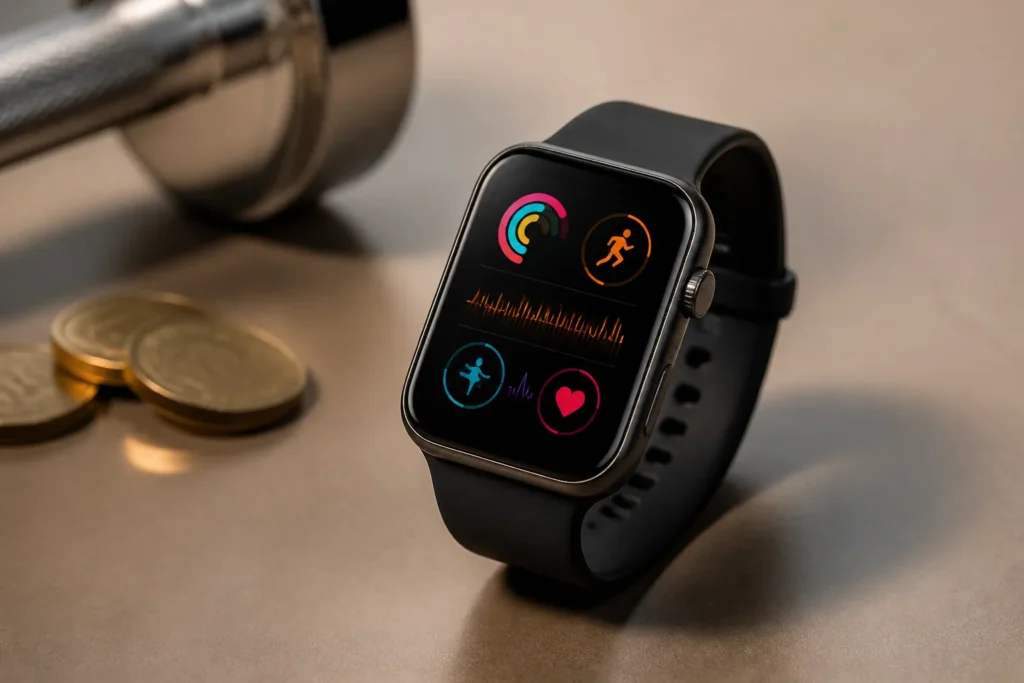
How does an AI fitness system use a person’s goals and activity data to create and update a workout plan?
An AI fitness system generates workouts from your stated goals, training style and abilities, then offers outputs a trainer can refine with client conversation and feedback netafit.org.
Such systems consider many programming variables — fitness level, historical performance, preferences and health data — so they can adapt plans as needed insightaceanalytic.com.
Some platforms aim to make real-time, on-the-fly adjustments during a session and can reroute workouts if a piece of equipment is unavailable forbes.com.
AI can also produce client-concern reports to inform future workouts and supplement decisions, turning logs into actionable personalization forbes.com.
Wearable and sensor data feed into recommendations that modify intensity and substitute exercises when a user’s needs change, and certain systems automatically adjust weights as you improve pmc.ncbi.nlm.nih.gov.
Products claim to monitor performance and change intensity for recovery needs while machine learning selects and increases resistance as strength grows fitnessai.com.
Onboarding workflows — such as quizzes and introductory calls — are used by some services to set realistic goals and limits before AI assigns workouts trainwell.net.
Weekly check-ins provide a cadence to review progress and adjust the plan, bridging automated delivery and human oversight primedyhealth.com.
What privacy, accuracy, bias, and injury risks should people consider when using AI for fitness or wellness guidance?
Privacy and security are central concerns because platforms collect large amounts of personal health and biometric data that can be sensitive ifpa-fitness.com.
Tele-exercise services specifically raise questions about how exercise-habit and health data are processed and stored, and whether capture practices respect user privacy pmc.ncbi.nlm.nih.gov.
Device accuracy varies by manufacturer and conditions of use, so sensor readings may be inconsistent across contexts pmc.ncbi.nlm.nih.gov.
Movement-evaluation tools can produce false positives and negatives when real-world factors confound assessments, and repetitions can fluctuate with fatigue or focus, which affects automated scoring forbes.com.
AI bias is a real risk: biased training data or algorithms can distort outputs and produce unfair or harmful recommendations unless explicitly addressed healthandfitness.org.
Camera-based form detection is currently best for basic screening and not a substitute for in-person clinical assessment, especially for people with injuries or surgical restrictions athletedata.health.
Experts advise that professionals review AI outputs for accuracy and scope-of-practice boundaries, and warn against entering identifying client details into AI tools acefitness.org.
Red flags include programs that never ask about injuries or available equipment; such omissions suggest generic, non-custom programming primedyhealth.com.
How can users measure whether AI-generated fitness recommendations improve their strength, activity, or overall wellness?
Tracking objective performance analytics and personal records — sets, reps, weights and bests — is the primary way to see training-driven strength gains forbes.com.
AI platforms can continuously monitor progress and surface analytics that point to improvements or plateaus, helping you spot what needs attention healthandfitness.org.
Scan-to-scan progress tracking that compares circumferences, body-fat trends and 3D models provides longitudinal body-composition context beyond daily scale weight 3dlook.ai.
Studies cited by industry groups suggest data-driven programs can improve adherence substantially, with one source reporting a 45% adherence boost compared with traditional plans ifpa-fitness.com.
A meta-analysis found smartphone apps can significantly increase physical activity across randomized trials, although more research is needed to identify which features drive effects pmc.ncbi.nlm.nih.gov.
Monthly in-app reviews and consistency metrics can help trainers and you decide when to progress load or introduce new patterns trainwell.net.
What emerging AI fitness features are expected to become available next, and which are already supported by reliable evidence?
Some AI features are already shipping: Google integrated AI into the Fitbit app to deliver personalized insights from phone and wearable metrics insightaceanalytic.com.
Industry commentary lists predictive health analytics, mental and emotional-wellbeing integration and hyper-personalized training as plausible near-future features for AI fitness platforms healthandfitness.org.
Market forecasts show sizable growth potential for the sector; one estimate values the AI fitness and wellness market at USD 10.68 billion in and projects substantial expansion by insightaceanalytic.com.
Analysts anticipate hybrid models that combine automated insights with human coaching will be a common pathway forward for the industry ifpa-fitness.com.
Some proposed physiological-detection methods—such as heart-rate–time-series detection for aerobic thresholds—require additional validation across activities before apps should adopt them broadly pmc.ncbi.nlm.nih.gov.
ACE figures industry leaders will roll out more AI-supported tools as the market matures and standards emerge acefitness.org.
| Offering | Price |
|---|---|
| Personal trainer ifpa-fitness.com | range of $50 to $150 per session ifpa-fitness.com |
| In-person personal training in the United States athletedata.health | averages $50–100 per hour athletedata.health |
| Online human coaching athletedata.health | typically costs $100–300 per month athletedata.health |
| AI coaching apps athletedata.health | cost $10–30 per month athletedata.health |
| Virtual personal trainer apps with human coaches trainwell.net | $150 to $200 per month trainwell.net |
| In-person personal training trainwell.net | commonly costs $100 or more per individual session trainwell.net |
| Fitbod trainwell.net | approximately $12.99 per month or $79.99 per year trainwell.net |
| App-based, self-guided fitness programs primedyhealth.com | $20–$60 per month primedyhealth.com |
| Premium online programs with high-touch support primedyhealth.com | $250–$400 per month primedyhealth.com |
| In-person training twice a week primedyhealth.com | $60–$100 per hour, or $480–$800 per month primedyhealth.com |
| Market and forecast year | Forecast value |
|---|---|
| Global AI fitness and wellness market, insightaceanalytic.com | USD 10.68 billion in insightaceanalytic.com |
| Global AI fitness market, ifpa-fitness.com | $4.8 billion by ifpa-fitness.com |
| Global AI fitness and wellness market, insightaceanalytic.com | USD 57.80 billion by insightaceanalytic.com |
| Offering | Typical price (as reported) | Claim key |
|---|---|---|
| AI coaching apps | $10–$30 per month (some free tiers) | c_0081 |
| Online human coaching | $100–$300 per month | c_0080 |
| Virtual trainer apps with human coaches | $150–$200 per month | c_0099 |
| In-person personal training (per session) | $50–$150 per session | c_0051 |
| Fitbod (example AI app) | $12.99/month or $79.99/year | c_0100 |
| Premium high-touch online programs | $250–$400 per month | c_0126 |
Key Takeaways
- Use a wearable that tracks heart rate, sleep and workouts since those signals are core inputs for AI personalization netafit.org.
- Expect AI apps to cost about $10–$30/month versus $100–$300/month for typical online human coaching, so choose based on the level of human support you need athletedata.health.
- Verify AI validation across body types and testing conditions before trusting camera-based measurements for clinical decisions 3dlook.ai.
- Track objective metrics — sets, reps, weights and scan-to-scan body measures — to see whether recommendations are improving your outcomes forbes.com.
Frequently Asked Questions
What technologies and data do AI fitness tools use?
AI fitness tools commonly use heart rate, step count and sleep-pattern data from wearables and apps to tailor feedback and progress insights netafit.org.
How much do AI fitness apps cost compared with human trainers?
AI apps typically cost about $10–$30 per month while online human coaching usually runs $100–$300 per month and in-person personal training often costs $50–$150 per session athletedata.health.
How can I tell if AI workouts are improving my strength or activity?
You can measure gains by tracking performance analytics (sets, reps, weights), scan-to-scan body metrics, and adherence data surfaced by apps and AI dashboards forbes.com.
Is camera-based form analysis reliable for injury prevention?
Camera- and movement-based form detection exists, but experts warn it’s suitable chiefly for basic screening and not a substitute for professional assessment athletedata.health.
What new AI fitness features are coming next?
Emerging features include predictive health analytics, mental-wellbeing integration, and hybrid models that combine AI insights with human coaching, and some companies already ship AI personalization in products like Fitbit healthandfitness.org.
Sources
- AI in Fitness: How AI is Transforming the Industry (2025-06-13)
- AI in Fitness and Wellness Market Top Competitors Analysis Report 2026
- AI Fitness Apps vs Human Coaching – Honest Comparison (2026) (2026-03-28)
- Body Data, Progress Tracking, and Coaching (2026-07-31)
- How AI Is Transforming Fitness Apps (2024-08-29)
- Who Wins in the Battle for Fitness?
- Smart Devices for Health and Wellness Applied to Tele-Exercise: An Overview of New Trends and Technologies Such as IoT and AI
- The Future Of AI In Personal Training (2024-11-22)
- The Best Virtual Personal Trainer Apps With Human Coaches (2026)
- AI in Health & Fitness: How to Leverage New Technology (2023-09-27)
- FitnessAI — Get Stronger, Faster with Artificial Intelligence
- Which Is Better? – SET FOR SET (2026-09-17)
- Online Personal Training Cost Breakdown (2026-06-17)